Australia’s lifestyle has always carried a distinctive sense of movement. From early morning coastal walks and long lunches with friends to demanding professional schedules, weekend sport and increasingly active social lives, Australians are finding new ways to balance health, appearance and everyday wellbeing. In this changing landscape, a smile has become more than an aesthetic feature. It can be part of how people express confidence, personality and a sense of self.
This is where cosmetic dentistry enters the conversation—not as a pursuit of perfection, but as a way of thoughtfully improving aspects of the smile while considering oral health, function and individual circumstances.
The Modern Australian Lifestyle and the Smile
Lifestyle changes often influence how people think about their appearance. Australians may spend more time in photographs, video meetings, social events and public-facing professional environments than previous generations did. At the same time, there is growing interest in health-conscious living, with people investing in fitness, nutrition, skincare and preventive healthcare.
Dental care naturally sits within this broader understanding of wellbeing.
A healthy smile can contribute to everyday confidence, whether someone is speaking at work, meeting friends for coffee in Melbourne, enjoying a family gathering in Brisbane or travelling along the Australian coast. Cosmetic improvements can sometimes address concerns that make people reluctant to smile, such as tooth discolouration, minor chips, uneven tooth shapes or visible gaps.
However, a beautiful result should not exist independently of a healthy mouth. Teeth, gums, bite and underlying structures all contribute to the long-term success of dental treatment.
Cosmetic Dentistry Is Becoming More Personal
One of the most significant developments in contemporary dentistry is the movement away from a one-size-fits-all approach.
The ideal smile is not necessarily the whitest, straightest or most symmetrical smile. Facial proportions, tooth shape, skin tone, age, personality and natural characteristics can all influence how a smile appears. A treatment that looks beautifully balanced on one person may appear unnatural on another.
Modern cosmetic dentistry can involve a range of options depending on the individual’s needs. Professional teeth whitening may help brighten natural teeth, while composite bonding can sometimes improve the appearance of minor imperfections. Porcelain veneers may be considered for selected aesthetic concerns, while orthodontic treatments such as clear aligners can help address certain alignment issues.
The important distinction is that treatment should be designed around the person rather than the trend.
Designing a Smile That Fits Real Life
A smile is used every day. It needs to function during breakfast, conversation, exercise, work and social occasions—not simply look attractive in a photograph.
This makes treatment planning particularly important.
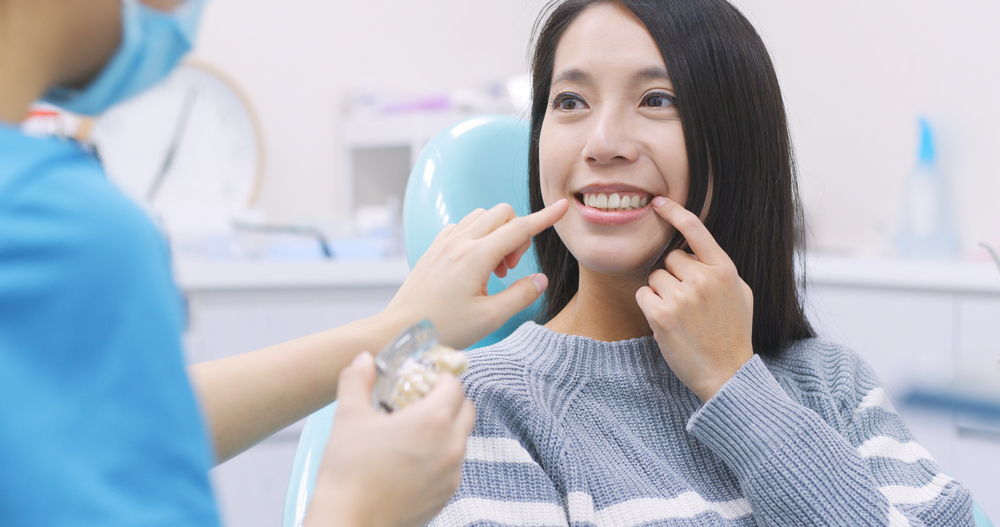
A dentist may consider factors such as enamel condition, gum health, tooth position, bite, existing restorations and the patient’s long-term expectations. Digital imaging and smile-design technologies can also assist communication by allowing patients to understand potential changes before treatment begins.
Yet technology is only part of the equation. A digital simulation cannot replace clinical judgement or an understanding of how teeth function within the mouth.
The best approach is often one that combines aesthetic goals with biological and functional considerations.
Sustainability, Maintenance and Long-Term Thinking
Australia’s increasingly health-conscious culture has also encouraged a broader question: how can people make choices that remain sensible over time?
Dental treatment deserves the same consideration.
Some cosmetic procedures may require ongoing maintenance, while natural teeth still need regular brushing, interdental cleaning, professional examinations and preventive care. Habits such as consuming highly acidic drinks frequently, smoking or neglecting oral hygiene can affect both natural teeth and dental restorations.
For this reason, cosmetic treatment should ideally be viewed as part of a wider oral-health strategy rather than a standalone beauty purchase.
Long-term planning can also mean choosing conservative approaches where appropriate. Preserving healthy natural tooth structure is an important principle in modern dentistry, and not every cosmetic concern requires extensive intervention.
Confidence Without Losing Authenticity
There is an interesting paradox in modern aesthetics: people often want improvement without wanting their appearance to look manufactured.
This is especially relevant to smiles.
Subtle changes can sometimes have a meaningful effect. A slightly brighter smile, improved tooth symmetry or carefully planned alignment may enhance someone’s appearance while retaining the characteristics that make their smile recognisably their own.
The objective does not have to be perfection. It can simply be harmony.
For some people, that may mean addressing one chipped tooth. For others, it could involve orthodontic treatment, whitening or restorative procedures. The appropriate choice depends on the condition of the teeth, the patient’s goals, budget, expectations and long-term oral-health needs.
The Future of Personalised Smiles
As Australian lifestyles continue to evolve, dental care is likely to become increasingly personalised. Digital planning, improved materials and minimally invasive techniques are helping clinicians approach aesthetic dentistry with greater attention to precision and individual anatomy.
But the fundamental principle remains remarkably simple: a smile should belong to the person wearing it.
Before choosing a cosmetic procedure, patients should have an open discussion with a qualified dental professional about their oral health, desired outcome, alternatives, potential limitations, maintenance requirements and expected longevity. Understanding these factors can transform a cosmetic decision into a considered healthcare decision.
Ultimately, the most valuable question is not simply how to create a more attractive smile. It is which treatment is right for your smile?
That question encourages a more thoughtful perspective—one that recognises beauty, health and lifestyle as interconnected. A smile designed for life is not necessarily flawless. It is functional, healthy, natural-looking and suited to the person behind it. In an Australia where lifestyles are becoming more active, visual and individual, that kind of smile may be the most enduring expression of all.